Skip to content


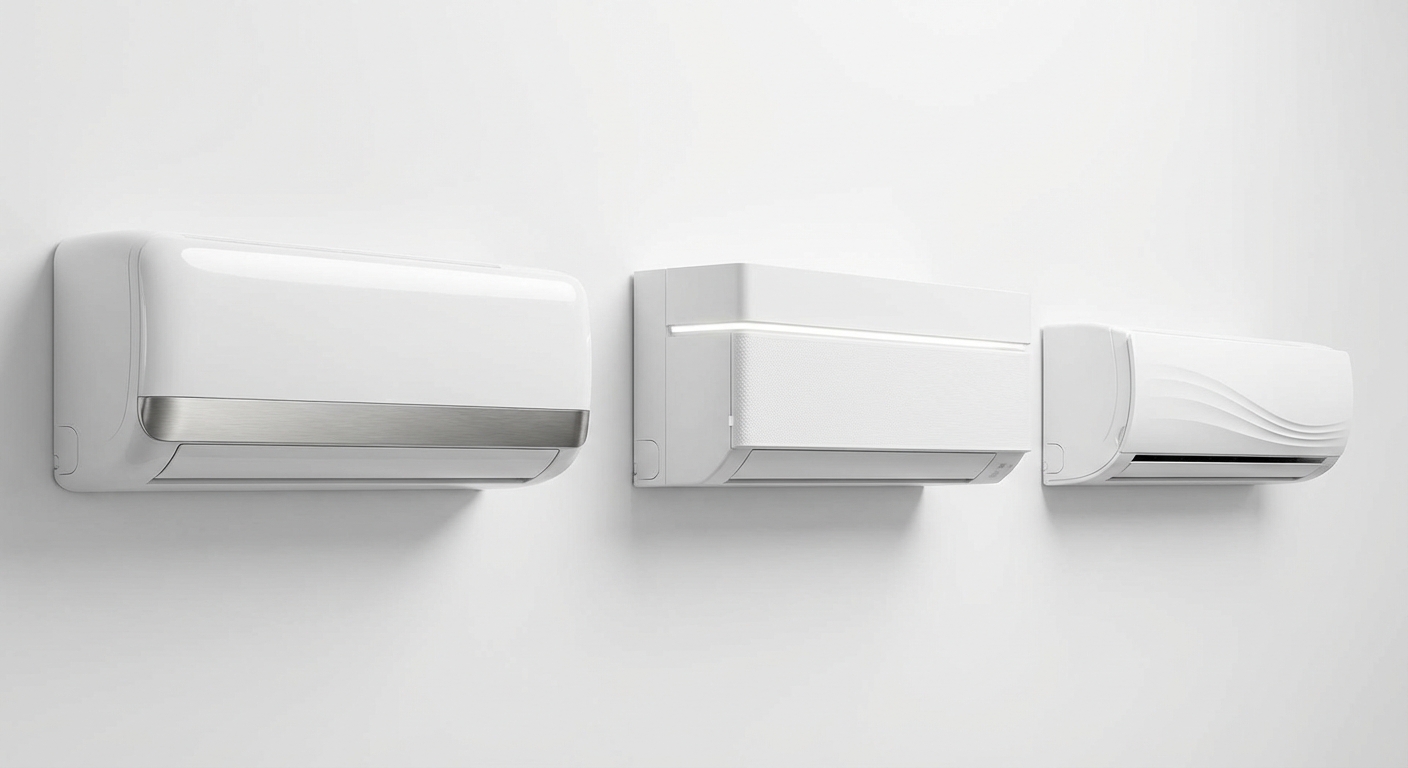
The Three Brands NYC Contractors Install Most
Mitsubishi, Daikin, and Fujitsu account for the vast majority of professional mini split installations in NYC. All three manufacture cold-climate heat pump systems rated for heating performance at 5°F and below, which is a requirement for qualifying for Con Edison and NYSERDA rebates in New York. The differences between them are real but narrower than marketing materials suggest.
This comparison covers the wall-mounted residential lines that NYC homeowners are most likely to encounter: Mitsubishi M-Series and P-Series, Daikin 17 Series and Fit, and Fujitsu Halcyon. Pricing reflects installed costs from licensed contractors in the NYC metro area.
Price Comparison: Installed Cost per Zone
| Brand | Single Zone Installed | Per Additional Zone | 3-Zone System |
|---|---|---|---|
| Mitsubishi (M-Series) | $4,000 to $5,500 | $2,500 to $3,500 | $9,000 to $12,000 |
| Daikin (17 Series) | $3,500 to $4,800 | $2,200 to $3,000 | $7,800 to $10,500 |
| Fujitsu (Halcyon) | $3,500 to $5,000 | $2,200 to $3,200 | $8,000 to $11,000 |
Mitsubishi commands a 10 to 20 percent premium over Daikin and Fujitsu. That premium buys the strongest cold-climate heating performance and the most established dealer network in the Northeast. Daikin and Fujitsu deliver comparable quality at a lower price point. For detailed cost analysis, see our NYC mini split cost guide.
Cold-Weather Heating Performance
This is the most important comparison metric for New York homeowners. NYC winters regularly drop into the teens and single digits, with occasional stretches below 0°F.
- Mitsubishi Hyper-Heating (H2i): Maintains 100% rated heating capacity down to 5°F and continues operating down to -13°F. The H2i compressor technology is the industry benchmark for cold-climate performance. Some models maintain 87% capacity at -13°F.
- Daikin (Aurora/17 Series): Maintains rated capacity down to 5°F and operates down to -13°F. Daikin’s variable-speed inverter technology delivers smooth, consistent heat without the short-cycling that degrades efficiency.
- Fujitsu (Halcyon XLTH): The XLTH (Extra Low Temperature Heating) line maintains heating capacity down to -5°F and operates down to -15°F. Fujitsu’s low-temperature performance is competitive with Mitsubishi, particularly in the XLTH models.
For the typical NYC winter (average January low of 22°F to 28°F), all three brands perform nearly identically. The differences matter most during the 10 to 15 coldest days of the year. Read more in our guide on mini splits for cold New York winters.
Noise Levels
Indoor noise levels are a priority for NYC apartments and bedrooms. Lower is better:
| Brand | Indoor Unit (Low Speed) | Outdoor Condenser |
|---|---|---|
| Mitsubishi M-Series | 19 to 22 dB | 56 to 58 dB |
| Daikin 17 Series | 19 to 23 dB | 54 to 57 dB |
| Fujitsu Halcyon | 18 to 22 dB | 55 to 58 dB |
All three are whisper-quiet indoors. At 19 to 22 dB on low speed, the indoor units are quieter than a library. Outdoor condenser noise matters more for dense neighborhoods and multi-family buildings. Daikin edges slightly quieter on the outdoor unit, though the differences are marginal in real-world conditions.
Energy Efficiency (SEER2 and HSPF2)
| Brand | SEER2 Range | HSPF2 Range |
|---|---|---|
| Mitsubishi M-Series | 18.0 to 22.0 | 10.0 to 13.5 |
| Daikin 17 Series | 17.0 to 20.0 | 9.5 to 12.5 |
| Fujitsu Halcyon | 18.0 to 22.0 | 10.0 to 13.0 |
Higher SEER2 means better cooling efficiency; higher HSPF2 means better heating efficiency. Mitsubishi and Fujitsu lead slightly, though all three brands’ premium lines exceed the efficiency thresholds required for federal tax credits and utility rebates.
Warranty Coverage
- Mitsubishi: 5-year parts warranty standard, extendable to 12 years through Diamond Contractor dealers. The extended warranty is one of Mitsubishi’s strongest selling points and is only available through authorized installers.
- Daikin: 12-year parts warranty standard when registered within 60 days of installation. This is the best standard warranty of the three, requiring no dealer-tier upgrade.
- Fujitsu: 5-year parts warranty standard, extendable to 10 years through Elite installer registration. Mid-range between Mitsubishi and Daikin.
Smart Controls and Integration
- Mitsubishi kumo cloud: Wi-Fi adapter (sold separately, $150 to $200) enables app control and integration with Amazon Alexa, Google Home, and Apple HomeKit. The kumo cloud platform also provides energy usage monitoring.
- Daikin One+: Built-in Wi-Fi on newer models with app control. Compatible with most smart home platforms. The Daikin One+ thermostat adds whole-home integration capabilities.
- Fujitsu FGLair: Wi-Fi adapter enables app control and voice assistant integration. Straightforward setup, though the app interface is more basic than Mitsubishi’s or Daikin’s.
Which Brand Should You Choose?
Choose Mitsubishi if: You want the strongest cold-climate performance, are willing to pay a premium, and value the 12-year extended warranty through a Diamond Contractor dealer.
Choose Daikin if: You want the best standard warranty (12 years without dealer-tier requirements), competitive pricing, and a quiet outdoor unit. Best value for budget-conscious homeowners who still want a premium brand.
Choose Fujitsu if: You want excellent cold-climate performance (XLTH models) at a price point between Daikin and Mitsubishi, and you prioritize ultra-quiet indoor operation.
AirSync HVAC installs all three brands and can recommend the best fit for your home’s specific needs, layout, and budget during a free site assessment. Call (718) 619-4993 to schedule yours.