Skip to content

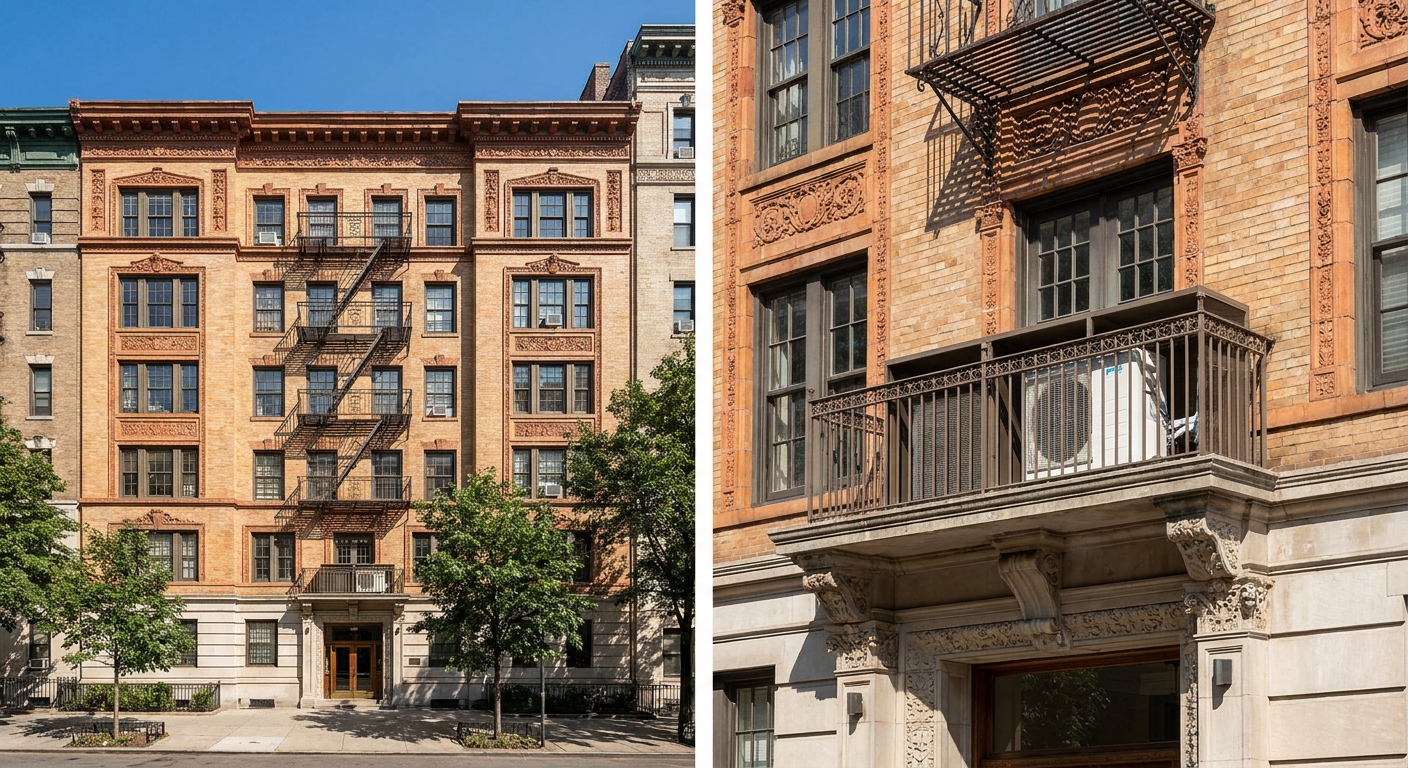
Do co-ops and condos qualify for Con Edison Clean Heat rebates?
Yes. Con Edison Clean Heat for co-ops and condos covers both individual apartment owners and whole-building projects in NYC, as long as the building has five or more residential units and an eligible Con Edison electric account. The rebate works as an instant discount on your contractor’s invoice, so you never wait for a check in the mail. For a single apartment that means a few thousand dollars off a ductless heat pump; for a building-wide electrification it can reach tens of thousands of dollars per unit.
The catch most boards miss: the rules, dollar amounts, and approvals differ depending on whether one owner is upgrading a single unit or the building is electrifying everyone at once. Here is how each path works.
How much is the Con Edison rebate for a single co-op or condo unit?
An individual owner in a 5+ unit building can claim a per-apartment incentive for an air-source heat pump. The amount depends on whether you fully or partially replace your existing heating, and whether your building sits in a designated Disadvantaged Community (DAC):
| Scope of work | Standard incentive | Disadvantaged Community |
|---|---|---|
| Full heat replacement (heat pump becomes primary heat) | about $4,000 per apartment | about $5,000 per apartment |
| Partial replacement (keep existing system as backup) | about $1,000 per apartment | about $2,000 per apartment |
Full replacement pays more because it removes the most fossil-fuel heating. If your apartment has steam or a window AC you want to retire, a full ductless heat pump installation captures the larger incentive and the lower running cost.
How much does building-wide electrification pay per unit?
When the co-op or condo board electrifies the whole building, the incentives move to Con Edison’s multifamily track and rise sharply per dwelling unit. The numbers split by building type:
| Building type and measure | Incentive per dwelling unit |
|---|---|
| Market-rate, full building load space heating (ASHP) | $5,000 per unit |
| Affordable housing, space heating (comprehensive) | $14,000 per unit |
| Affordable housing, water heating (comprehensive) | $4,400 per unit |
| Affordable housing, space and water heating combined | $18,400 per unit |
Market-rate projects are capped at $1 million per project or 50% of project cost, whichever is less. Affordable-housing projects are capped at $1 million or 85% of project cost. A real Upper West Side example shows the scale: a seven-unit co-op covered close to half of a $100,000-plus electrification with a Con Edison rebate of roughly $49,000.
What are the rules co-op and condo boards need to know?
Building-wide Clean Heat money comes with conditions that shape the project timeline:
- 5+ residential units and an eligible Con Edison electric account are required.
- Decommissioning the existing fossil-fuel system is required for the building’s space-heating scope in existing buildings. You are replacing the old boiler or furnace, not just adding to it.
- Common-area-only projects do not qualify. The work has to serve dwelling units.
- Installation cannot have started before the application is submitted, so engage the program early.
- You must use a Con Edison participating contractor. Using a non-approved installer voids the incentive.
For new construction, only geothermal heat pumps qualify for space-heating incentives, though heat pump water heaters are available to both new and existing buildings.
Do you need board approval to install a heat pump in your unit?
For a single apartment, you do not need the building to electrify, but you do need to follow your co-op or condo’s alteration rules. Most boards require a signed alteration agreement, proof of a licensed and insured contractor, and sign-off on where the outdoor condenser and line sets run. Ductless mini splits are popular in co-ops because the indoor heads mount on a wall and the only exterior work is a small condenser and a line-set penetration. Bring your board a clear plan and the Con Edison participating-contractor paperwork, and approval usually moves faster. If you are weighing your in-unit options, our comparison of mini splits vs PTAC units for NYC apartments is a good starting point.
How do you apply for the co-op or condo rebate?
The path is similar for individual owners and boards, with the board version requiring more documentation:
- Choose a Con Edison Clean Heat participating contractor and have them scope the system.
- For building-wide projects, notify the program of your interest and submit the multifamily application before any work begins.
- The contractor applies the approved incentive as an instant discount on your invoice rather than a rebate you wait for.
- Con Edison verifies the installed, fully operational system before releasing any building-level incentive payment.
Picking the right installer is the step that most affects both the rebate and the result. Our guide on how to choose an HVAC contractor in NYC covers the questions to ask before you sign.
How Clean Heat ties into Local Law 97 for co-ops and condos
For larger NYC buildings, the Clean Heat rebate is not just a discount, it is a way to get ahead of Local Law 97. The law sets greenhouse gas emissions caps on buildings over 25,000 square feet, with fines for buildings that exceed their limit, and the caps tighten over time. Replacing a gas or oil boiler with heat pumps cuts a building’s on-site emissions, which helps a co-op or condo move toward compliance while the Clean Heat incentive offsets a large share of the capital cost. Boards that pair the rebate with a planned boiler retirement avoid paying twice: once for a like-for-like fossil replacement and again later for emissions penalties. It turns a looming compliance expense into a one-time upgrade that lowers operating costs and raises unit comfort.
Is your building in a Disadvantaged Community?
Many NYC neighborhoods are designated Disadvantaged Communities (DACs) under New York’s climate law, and buildings there earn higher per-unit incentives, roughly $5,000 instead of $4,000 for a full apartment replacement and $2,000 instead of $1,000 for a partial one. DAC boundaries cover large parts of the Bronx, Upper Manhattan, central Brooklyn, and Queens, but they are mapped block by block, so a building one street over can fall outside the zone. Your participating contractor can confirm your building’s status by address before you apply, and it is worth checking because the bump applies automatically to qualifying projects.
How long does the co-op or condo rebate take?
For a single apartment, the timeline tracks your normal install: once the board approves the alteration and the participating contractor schedules the work, the incentive is applied as an instant invoice discount, so there is no separate waiting period for a check. Building-wide projects take longer because they involve an application before work begins, a service-adequacy review by Con Edison Energy Services, and verification that the full system is installed and operational before the building-level payment is released. Boards should budget several months from first contractor meeting to incentive payout and start the conversation well before a planned boiler replacement.
Quick answers for boards and unit owners
- Can one owner install a heat pump without the whole building? Yes, under your alteration agreement; you claim the per-apartment incentive.
- Does the building have to remove the boiler? For a building-wide space-heating project in an existing building, yes, decommissioning is required.
- Who applies? Your Con Edison participating contractor handles the application and the instant discount.
- Are cooling-only heat pumps eligible? No. The system must provide heating to qualify for Clean Heat.
The bottom line for NYC co-ops and condos
Con Edison Clean Heat for co-ops and condos pays at two levels: a few thousand dollars off a single ductless unit, or $5,000 to $18,400 per dwelling unit when the whole building electrifies. Full heat replacement and affordable-housing buildings earn the most, the incentive lands as an instant invoice discount, and you must use a participating contractor and decommission the old system. If your income qualifies, also compare EmPower+ vs Con Edison Clean Heat before you choose. AirSync HVAC is experienced with NYC co-op and condo installations and can scope your unit or your building, handle the participating-contractor paperwork, and apply the rebate directly. Request a heat pump assessment to see what your building qualifies for.