Skip to content

Why Older Westchester Homes Need Zoned Climate Control
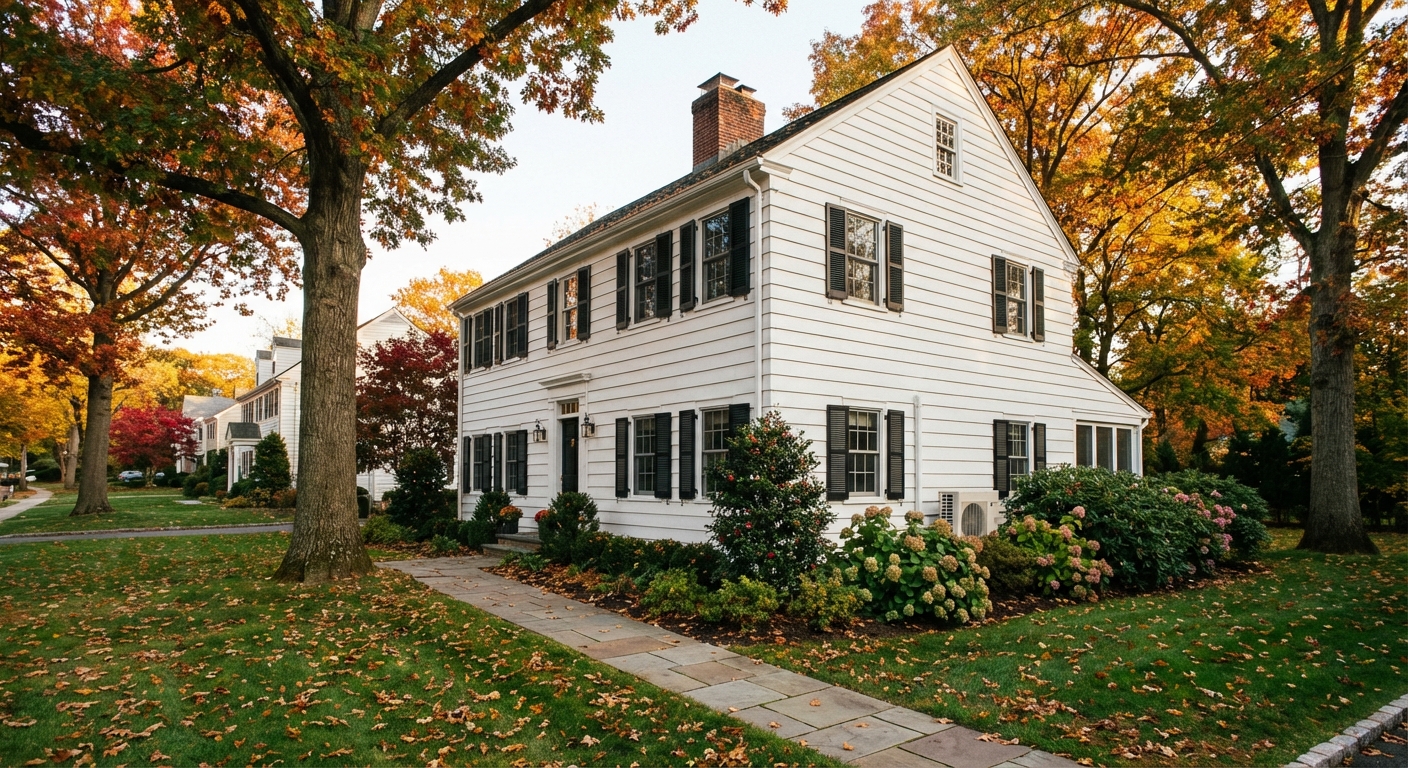
Mini split installation in Westchester County NY addresses a problem that nearly every Colonial and Cape Cod homeowner in the area knows well: the second floor is unbearable in summer and the first floor runs cold in winter. These homes were designed around a central heating system, typically a boiler or furnace, that pushes heat unevenly across two or three stories with no room-by-room adjustment.
Westchester’s housing stock is heavily concentrated in pre-1970 construction. Towns like Scarsdale, Bronxville, Larchmont, Pelham, and Mamaroneck are filled with Colonials, Cape Cods, Tudors, and split-levels that have plaster walls, limited attic access, and no existing ductwork. Running new ducts through these homes would mean tearing into finished walls and ceilings at significant cost and disruption. A ductless mini split system bypasses all of that.
How Zoning Works in a Colonial or Cape Cod
A multi-zone mini split system connects one outdoor condenser to multiple indoor head units, each mounted in a different room and controlled independently. For a typical Westchester Colonial, the zoning strategy looks like this:
- Zone 1: First-floor living area. A single 12,000 to 15,000 BTU wall-mounted unit covers the main living room and adjacent dining area. In open floor plans, one unit can handle 400 to 600 square feet effectively.
- Zone 2: Primary bedroom. A 9,000 BTU unit dedicated to the master bedroom gives precise overnight temperature control without affecting the rest of the house.
- Zone 3: Second-floor bedrooms or bonus room. One or two additional units handle the rooms that get the worst of the summer heat. In Cape Cods, the upstairs half-story bedrooms with sloped ceilings are particularly problematic and benefit most from a dedicated zone.
- Optional Zone 4: Home office or finished attic. Remote workers in Westchester often add a dedicated zone to their workspace for year-round comfort on a custom schedule.
For help determining the right number of zones, see our guide on single vs. multi-zone mini split costs.
Installation Costs in Westchester County
Westchester County installation costs run slightly above the NYC average due to the complexity of working with older construction and the area’s higher labor rates:
| Configuration | Typical Application | Installed Cost |
|---|---|---|
| Single zone | One room addition or sunroom | $3,500 to $5,500 |
| Two zones | Living area + primary bedroom | $6,000 to $8,000 |
| Three zones | Main floors of a Colonial | $8,000 to $10,500 |
| Four to five zones | Whole-home coverage | $10,000 to $13,000+ |
Premium brands like Mitsubishi Hyper-Heating add 10 to 20 percent over mid-tier options like Daikin or Fujitsu. The higher cost buys rated heating performance down to -13°F, which matters during Westchester’s coldest January stretches. For a comparison of the major brands, see our Mitsubishi vs. Daikin vs. Fujitsu cost comparison.
Challenges Specific to Westchester’s Older Homes
Working with pre-war and mid-century construction introduces variables that a contractor needs to assess during the site visit:
- Plaster and lath walls. Drilling through plaster-and-lath for refrigerant lines takes more time and care than modern drywall. The installer needs to locate studs and avoid cracking surrounding plaster, which adds 30 to 60 minutes per penetration compared to new construction.
- Stone and brick exteriors. Many Westchester Tudors and Colonials have brick, stone, or stucco facades. Core drilling through masonry requires diamond-tipped bits and careful sealing to prevent water intrusion. Budget an extra $200 to $400 per wall penetration for masonry work.
- Electrical panel upgrades. Homes with 100-amp panels (common in pre-1970s construction) may need a panel upgrade to support a multi-zone system. This adds $1,500 to $2,800 to the project but is a one-time improvement that also supports future electrical needs like EV chargers.
- Historic district restrictions. Towns like Bronxville, Irvington, and parts of Tarrytown have historic districts with exterior modification rules. Condenser placement may need to be on the rear or side of the house, out of street view. Discuss placement options during the initial site survey.
Insulation: The Hidden Factor in Westchester Homes
Many 1940s through 1960s Westchester homes have minimal wall insulation and single-pane or early double-pane windows. A mini split system will still heat and cool effectively, but it will work harder and run longer cycles than it would in a well-insulated home. Addressing insulation gaps before or alongside a mini split installation improves comfort and reduces operating costs by 15 to 25 percent.
Common upgrades include blown-in wall insulation ($1,500 to $3,500 for a typical Colonial), attic insulation top-up ($1,000 to $2,500), and air sealing around windows, doors, and the attic hatch. These improvements often qualify for separate utility rebates. Read more in our guide on attic insulation costs.
Rebates and Incentives for Westchester Homeowners
Westchester County falls within the Con Edison service territory, giving homeowners access to the full stack of clean heat incentives:
- Con Edison Clean Heat: $2,000 to $4,500 instant rebate applied to your invoice
- NYSERDA Clean Heat: $1,000 to $3,000 additional for qualifying cold-climate heat pumps
- Federal 25C tax credit: 30% of equipment and installation costs, up to $2,000/year
On a $10,000 three-zone installation, stacking all three programs can bring the net cost down to $4,000 to $5,000. Learn the step-by-step process in our rebate stacking guide.
Schedule a Free Home Assessment
Every Westchester project starts with a site visit. AirSync HVAC sends a technician to measure each room, inspect the electrical panel, evaluate insulation levels, and recommend a zoning plan tailored to your home’s layout. The assessment includes a Manual J load calculation and a written estimate with itemized costs. Call (914) 664-1021 or request a quote online. AirSync also offers 0% financing from $100/month for homeowners who prefer to spread the investment.