Skip to content

Reduce Cooling Costs with Targeted Actions
Start by measuring the rooms that drive peak cooling hours: note square footage, window exposure, and insulation levels, then calculate sensible equipment capacity. For many New York apartments, a correctly sized mini split lower electric bill nyc plan depends on matching unit output to the actual heat load instead of guessing by room size alone.
Why mini splits cut summer electricity use
Ductless mini split systems reduce waste in three practical ways. First, inverter compressors vary speed to meet demand, so the system runs longer at low power instead of cycling on and off. Second, mini splits allow room-by-room control so only occupied spaces are cooled. Third, avoiding long duct runs eliminates distribution losses common to central systems. Those operational differences translate to lower kilowatt hours when the system is sized and installed correctly.
Assess load and size the system
Measure the cooling load using these steps: record room dimensions, ceiling height, window orientation and shading, and the number of occupants during peak afternoon hours. Estimate internal gains from lighting and appliances. With those numbers, target system capacity in British thermal units per hour rather than relying on square footage charts. Oversized units short-cycle and waste energy; undersized units run continuously and increase bills.
Insulation and air sealing that amplify savings
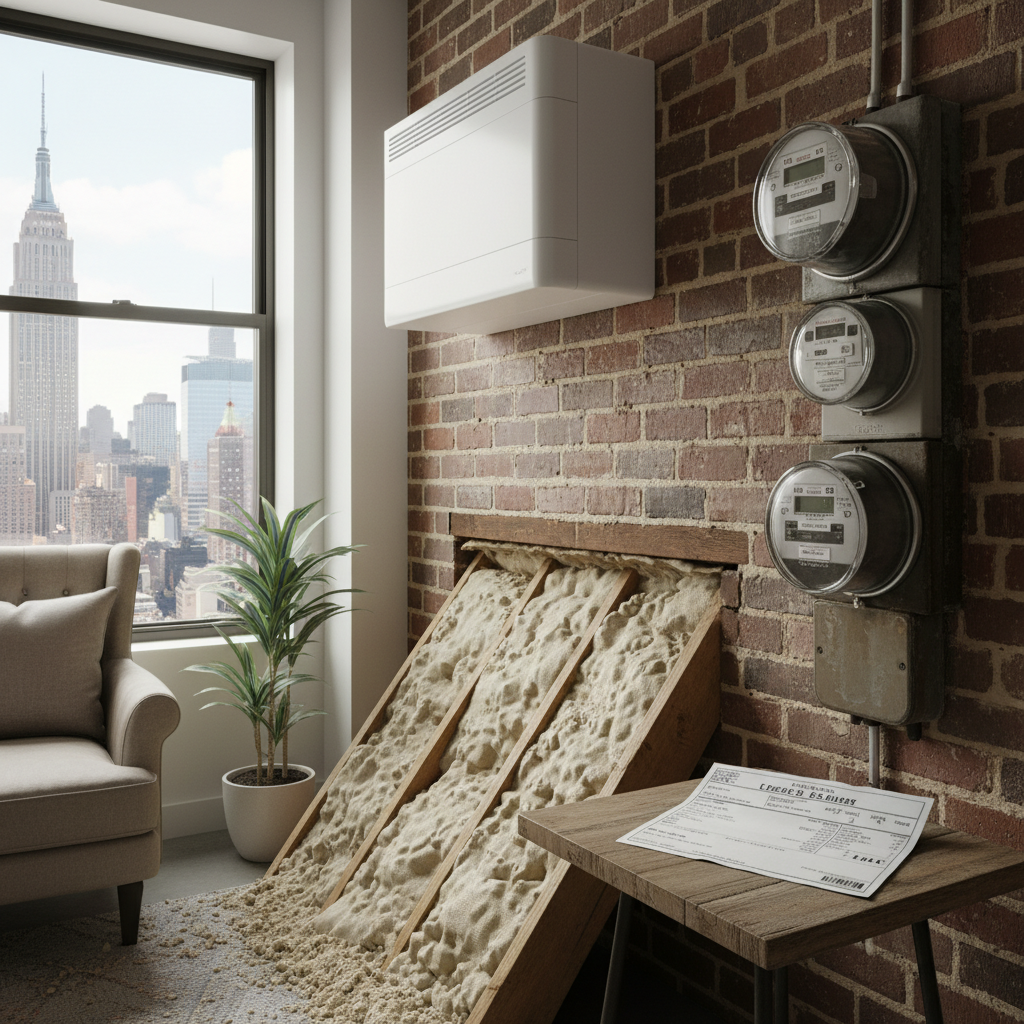
Insulation reduces the amount of cooling needed. Focus on three pressure points: attic and roof cavities, wall assemblies adjacent to uncooled spaces, and gaps around windows and doors. Add dense attic insulation and seal gaps with caulk or weatherstripping to cut conductive and convective heat flow. Upgrading from R-19 to R-49 in an attic can reduce heat transfer significantly and lower run time for a mini split.
Practical installation choices to lower operating costs
Choose a high-efficiency unit with a reputable SEER2 rating and inverter technology. Place indoor heads on interior walls away from direct sunlight and near occupancy zones. Minimize outdoor unit obstructions so airflow is unrestricted. When multiple indoor heads are required, confirm the outdoor unit has adequate capacity for simultaneous operation rather than simply summing nominal capacities.
Maintenance tasks that preserve efficiency
Simple maintenance keeps energy use low. Clean or replace filters monthly during heavy use. Keep outdoor coils clear of debris and allow 12 to 24 inches of clearance for airflow. Schedule a professional tune-up every 1 to 2 years to check refrigerant charge and electrical connections. A system running at proper charge and airflow consumes less electricity than one in poor condition.
New York City specific considerations
Urban factors affect performance and cost. Heat island effects mean higher ambient temperatures, so anticipate slightly more runtime than suburban installations. In co-ops and condos, check building bylaws and obtain board approval for exterior units and piping routes. Renters should get landlord permission and consider portable or window-friendly mini splits where permanent changes are restricted.
Cost ranges and expected savings
Costs vary by capacity, number of indoor heads, and installation complexity. Use the table below for typical ranges in NYC installations. These reflect equipment, installation labor, and minor electrical work. Local conditions, like runs through masonry walls or required permits, can raise costs.
| System type | Typical installed cost | Typical annual electricity reduction |
|---|---|---|
| Single-zone mini split (one room) | $2,000 to $5,000 | 15% to 35% |
| Multi-zone mini split (2 to 4 heads) | $5,000 to $12,000 | 20% to 40% |
| Insulation upgrades (attic, walls) | $1,000 to $6,000 | 10% to 30% |
Financing options and incentives
Several financing paths reduce upfront burden. Home equity lines, energy improvement loans, and contractor financing often cover mini split installations. Look for state and utility rebates for high-efficiency equipment. Federal tax credits periodically apply to heat pump installations; verify eligibility and documentation requirements before purchase. Combining rebates with a finance plan can shorten payback to a few years in favorable cases.
How to estimate payback and ROI
Estimate annual savings by comparing current cooling electricity use to projected mini split usage. For a simple baseline, note the summer portion of last year s electric bills. If an upgrade cuts summer cooling by 25 percent and annual cooling costs were $900, expected annual savings equal $225. Divide total project cost by annual savings to get a payback period. Include rebates and tax impacts to refine the calculation.
Sample calculation
Example: a two-head mini split plus attic insulation totals $9,000 before incentives. Expected summer cooling savings: 30 percent on a $1,200 cooling cost, or $360 per year. Net cost after a $1,500 rebate is $7,500. Payback period is about 20.8 years without tax credits. Adding financing with low interest and federal incentives can shorten that horizon, and local energy costs or greater efficiency gains reduce payback further.
Choosing installers and comparing quotes
Collect at least three written quotes. Confirm that quotes include load calculations, equipment model numbers, labor, permit fees, and a clear warranty. Ask for references and examples of similar NYC installations. A reputable installer will explain mounting options for outdoor units on masonry walls, routing for slim refrigerant lines, and any necessary condo approvals.
Operational tips to maximize savings
- Use timers and setpoints to avoid overcooling when rooms are empty.
- Raise thermostat setpoint by 2 to 3 degrees; modern mini splits maintain comfort with higher setpoints due to better humidity control.
- Close vents and doors in unoccupied rooms to reduce conditioned volume.
- Use shades or reflective films on east and west windows to cut solar heat gain in late afternoon.
Quick action checklist
- Measure rooms and note windows, shade, and occupancy patterns.
- Request load-based quotes from certified installers, not just capacity guesses.
- Prioritize attic and ceiling insulation before upsizing cooling equipment.
- Confirm available local and federal incentives and include them in cost comparisons.
- Plan maintenance schedule at installation to preserve efficiency.
Final considerations
Mini splits provide precise cooling with less waste when designed around actual load and paired with insulation improvements. For many city households, combining inverter ductless equipment and targeted air sealing reduces runtime, lowers peak demand, and produces measurable monthly savings. Evaluate financing options, collect detailed quotes, and prioritize insulation to improve comfort and shorten payback.