Skip to content

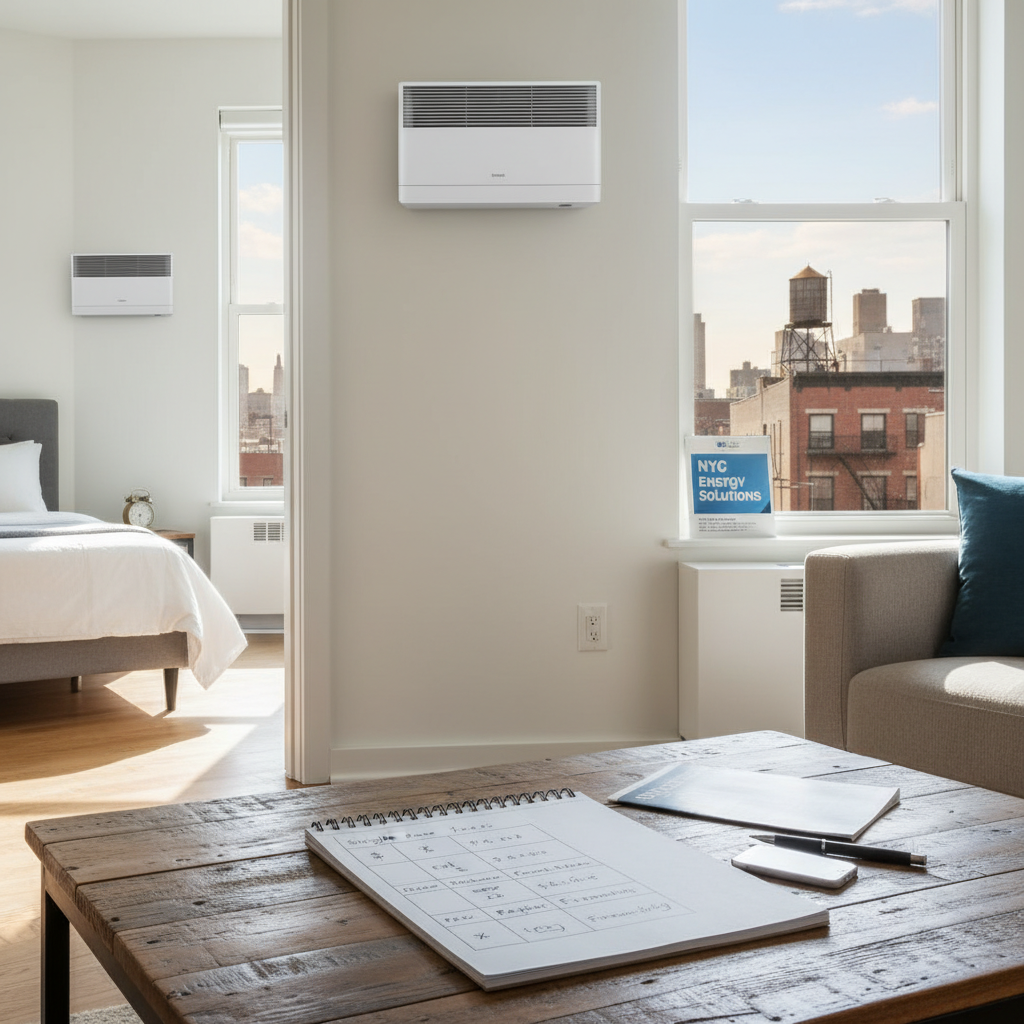
Immediate steps to estimate single zone vs multi zone mini split cost for your NYC residence
Start by measuring the square footage of each room you want conditioned, note ceiling heights, and list existing electrical capacity. Use the focus keyword single zone vs multi zone mini split cost as you gather quotes so contractors provide like-for-like comparisons. Ask each contractor for itemized line items: indoor head cost, outdoor compressor cost, refrigerant piping and wiring, labor hours, permits, and any access or crane fees.
Quick overview: when to consider single zone or multi zone
Choose a single zone system when you need one room conditioned efficiently and want the lowest upfront equipment cost. Choose a multi zone system when you want centralized outdoor equipment serving two or more indoor heads to reduce overall outdoor units and long-term per-room cost. In dense NYC buildings, multi zone systems can cut outdoor footprint but add installation complexity.
Typical cost ranges in New York City
Below are common price bands for standard installations. Costs vary by building type, access, and required electrical upgrades.
| System type | Equipment cost | Installation labor and materials | Typical total range | Best for |
|---|---|---|---|---|
| Single zone mini split | $700 to $2,500 | $600 to $2,000 | $1,300 to $4,500 | One room, small apartments, supplemental cooling |
| Multi zone mini split (2 to 4 heads) | $2,000 to $6,000 | $1,200 to $4,000 | $3,200 to $10,000 | Multiple rooms, whole-apartment solutions |
| Large multi zone (5+ heads) | $4,000 to $12,000+ | $2,500 to $8,000+ | $6,500 to $20,000+ | Large townhouses or multi-room retrofits |
How those numbers break down
Equipment covers indoor heads and one outdoor compressor. Higher-efficiency or inverter-driven units cost more but reduce operating expenses. Installation includes refrigerant lines, wiring, wall or ceiling brackets, condensate drainage, and labor for running piping through walls or between floors.
Permits, building rules, and access costs in NYC
Factor in municipal permits and building approvals. Co-op and condo boards often require application approval and may specify contractor insurance. If installers need sidewalk staging, a crane, or scaffold to get the outdoor unit into place, add $300 to $2,500 or more. Budget extra time for board approvals and building engineering signoffs, which can affect labor scheduling and final cost.
Electrical upgrades and their cost impact
Older NYC apartments frequently need electrical work: a dedicated 220V circuit, a new breaker, or service panel upgrades. Simple circuit additions can cost $300 to $900. Major panel upgrades or bringing service up to code can add $1,000 to $4,000. Ask contractors to include electrical scope in their bids and, when possible, get a separate electrician estimate to avoid surprises.
When multi zone systems save money
Multi zone systems reduce outdoor unit count and often lower per-head equipment cost once installed. If you plan to condition three or more rooms, a multi zone layout typically offers a lower total cost per room than multiple single zone units. However, expect higher labor per run when routing multiple refrigerant lines through walls or floors, especially in finished apartments.
Installation complexity factors that raise prices
- Concealed runs through finished walls or historic finishes require patching and painting.
- Restricted access to roof or exterior spaces requires hoisting equipment.
- Buildings with strict exterior guidelines may limit outdoor unit placement, adding complexity.
- Work windows restricted by building management can extend labor hours and total time.
Energy efficiency and operating cost considerations
Higher SEER and HSPF ratings mean better efficiency and slightly higher equipment cost. In NYC, where electricity and heating costs are significant, the operating savings from a more efficient unit can repay the premium over several years. Request seasonal efficiency ratings and run sample annual cost calculations based on expected usage hours and local electricity rates.
Financing and incentives
Explore several financing routes: home equity loans, personal loans, contractor financing plans, and credit card promotions. Many contractors partner with lenders to offer low or zero percent options for 12 to 60 months. Also check state and utility energy efficiency rebates or tax incentives. Document eligibility requirements before committing to a system so rebate paperwork does not delay installation payment schedules.
Decision checklist: choose single or multi zone
- Determine target rooms and hours of use for each room.
- Estimate total conditioned square footage and calculate required capacity with a contractor.
- Compare itemized bids that list indoor heads, outdoor unit, piping, labor, permits, and electrical work.
- Ask about warranty terms for parts and labor, and whether the installer is factory-certified.
- Factor in future needs: spare outdoor capacity eases adding more indoor heads later.
Sample comparison scenarios
Scenario A: A studio apartment needs one efficient head. A single zone system is fastest and cheapest to install, often finishing in one day with minimal building disruption.
Scenario B: A three-bedroom apartment wants individual room control. A three-head multi zone uses one outdoor compressor, reduces total outdoor footprint, and usually offers lower total cost than three separate single zone units when installed in the same project.
How to get reliable contractor quotes
Request at least three written estimates that include the same scope. Provide contractors with a photo of the exterior and photos of each room and its proposed mounting wall. Ask each contractor to list anticipated permit costs and whether they will handle filings. Confirm whether price quotes include patching and painting where lines penetrate interior surfaces.
Timeline expectations
Typical single zone installs take one to two days. Multi zone projects commonly take two to five days depending on runs, building access, and permit timing. Add several weeks if the project requires board approval, crane scheduling, or electrical panel upgrades.
Final budgeting tips
- Set aside a 10 to 20 percent contingency for unexpected repairs behind walls or needed electrical upgrades.
- Plan financing early and lock in rebates before installation to reduce out-of-pocket cost.
- Keep documentation for warranties and rebates in a single folder and confirm final system specifications match the purchased model.
Next practical actions
Measure rooms and gather photos, request three itemized bids, and compare total installed prices rather than sticker equipment costs. Use the per-system ranges above to flag low or high quotes and ask follow-up questions about access, permits, and electrical scope before signing a contract.